Use this glossary whenever a recipe or lesson introduces an unfamiliar culinary term. Browse alphabetically or follow the linked topic guides for fuller explanations, examples and techniques.
Use this culinary glossary when a recipe uses an unfamiliar technique, ingredient or kitchen term. The best definition explains what the term means and shows where to use it.
Explore our free illustrated glossary, including 100 vegetable pictures and definitions. No subscription is needed to browse the illustrated entries on this page.
Featured beginner terms and guides
- Au sec: reduce a liquid until nearly dry.
- Roux: flour cooked in fat for thickening and flavor.
- Emulsions: combine liquids that normally separate.
- Braising and stewing: gentle combination cooking methods.
- Sauté, pan-fry or sear: choose the correct stovetop method.
- Five mother sauces: a map of classical sauce families.
- Pasta glossary: shapes, names and pasta terms.
Turn definitions into skills
After reading a definition, use the practice-by-skill recipe index to cook an example. Beginners can start with Learn to Cook or diagnose a problem with Common Beginner Cooking Mistakes.
Browse ingredient guides, vegetable and herb definitions, cooking techniques, world cuisine references and kitchen notes.
Vegetables & Herbs: A–H
Flavor, preparation and cooking notes for familiar and lesser-known ingredients. Click “View image & definition” to expand an illustrated entry, then click its picture to view it full size.
A
-
Acorn Squash — View image & definition

A ribbed winter squash with mildly sweet flesh. Halve and roast, stuff, or use in soups; the cooked skin can be eaten when tender.
Read the full acorn squash guide: choosing, storage, preparation and roasting
-
Amaranth Greens — View image & definition

Tender leaves of vegetable amaranth, also called callaloo in some Caribbean cooking. Sauté or simmer as you would other cooking greens.
-
Artichoke, Globe — View image & definition
An immature flower head with a tender heart and fleshy leaf bases. Steam, braise, or grill; remove the fibrous choke in mature artichokes.
-
Arugula (Rocket) — View image & definition
A peppery salad green that adds bite to salads, sandwiches, and pizza. Add near the end of cooking to preserve its fresh flavor.
-
Asparagus — View image & definition
Tender spring shoots with a grassy, slightly sweet flavor. Trim woody ends, then steam, roast, grill, or sauté.


B
-
Baby Corn — View image & definition
Immature corn ears eaten whole, including the tender cob. Common in stir-fries, curries, and pickles.
-
Bamboo Shoots — View image & definition
Young bamboo stems with a crisp texture. Use commercially prepared canned or cooked shoots in stir-fries and soups; raw shoots require proper processing.
-
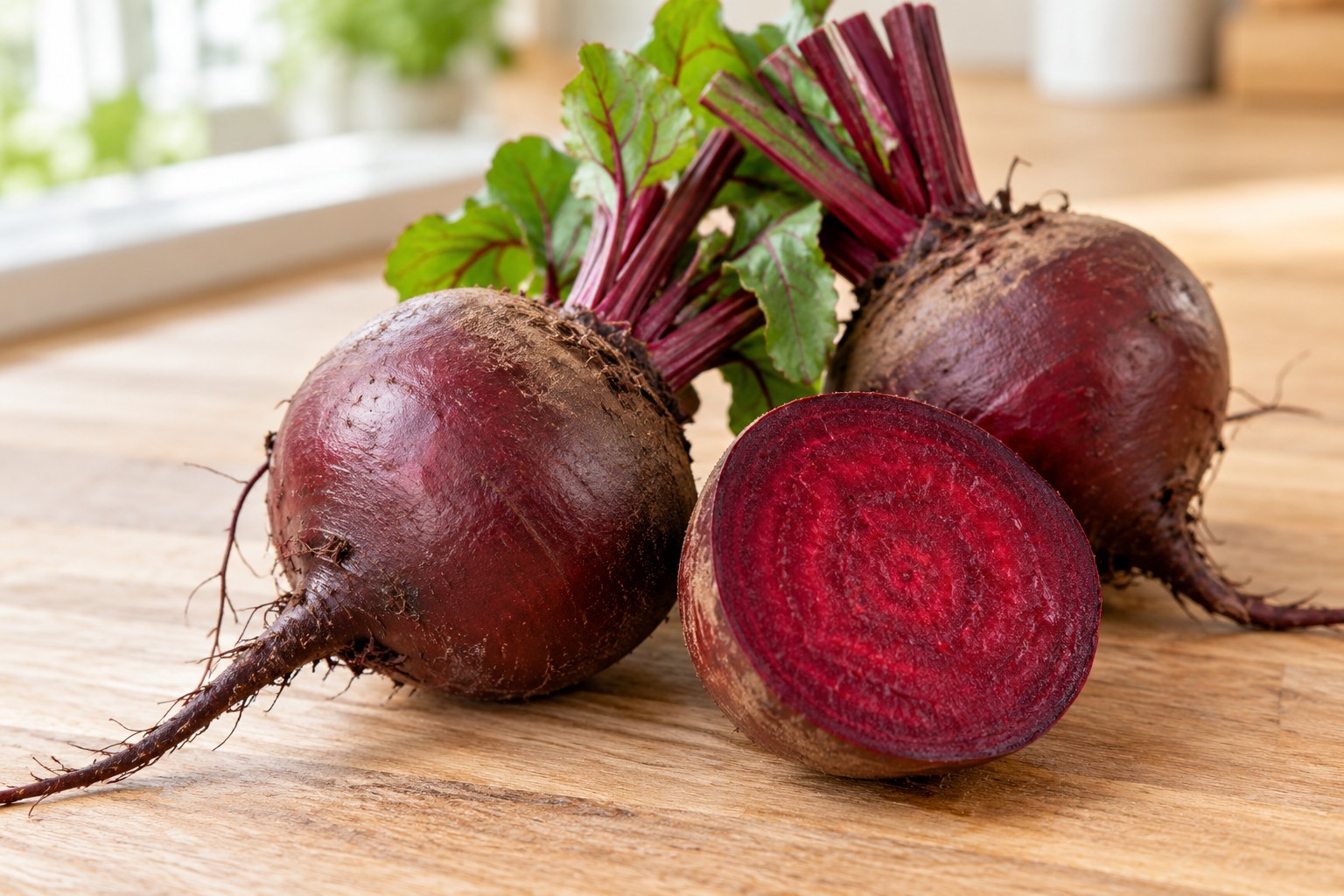
Beet (Beetroot) — View image & definition
An earthy, sweet root available in red, golden, and striped varieties. Roast, boil, pickle, or shave thinly for salads; the greens are also edible.
-
Belgian Endive — View image & definition
A compact, pale chicory with crisp leaves and a pleasantly bitter flavor. Use as salad cups, or braise and roast.
-
Bell Pepper — View image & definition
A mild, hollow pepper used raw, roasted, sautéed, or stuffed. Green peppers taste grassier; ripe red, yellow, and orange varieties are usually sweeter.
-
Bitter Melon (Bitter Gourd) — View image & definition
A ridged or bumpy vegetable with a distinctly bitter taste. Remove the seeds and pith, then cook in stir-fries, soups, or stuffed dishes.
-
Black Radish — View image & definition
A thick-skinned winter radish with white flesh and a strong peppery bite. Peel as needed; slice for salads or cook to soften its flavor.
- Blanching and Shocking Vegetables — A technique for preserving color, texture, and freshness.
-
Bok Choy (Pak Choi) — View image & definition
A Chinese cabbage with juicy stalks and tender green leaves. Stir-fry, steam, or add to soups; thicker stalks need longer cooking than leaves.
Read the full bok choy (pak choi) guide: preparation, cooking and storage
- Boston Lettuce — A mild, tender butterhead lettuce related to Bibb lettuce.
-
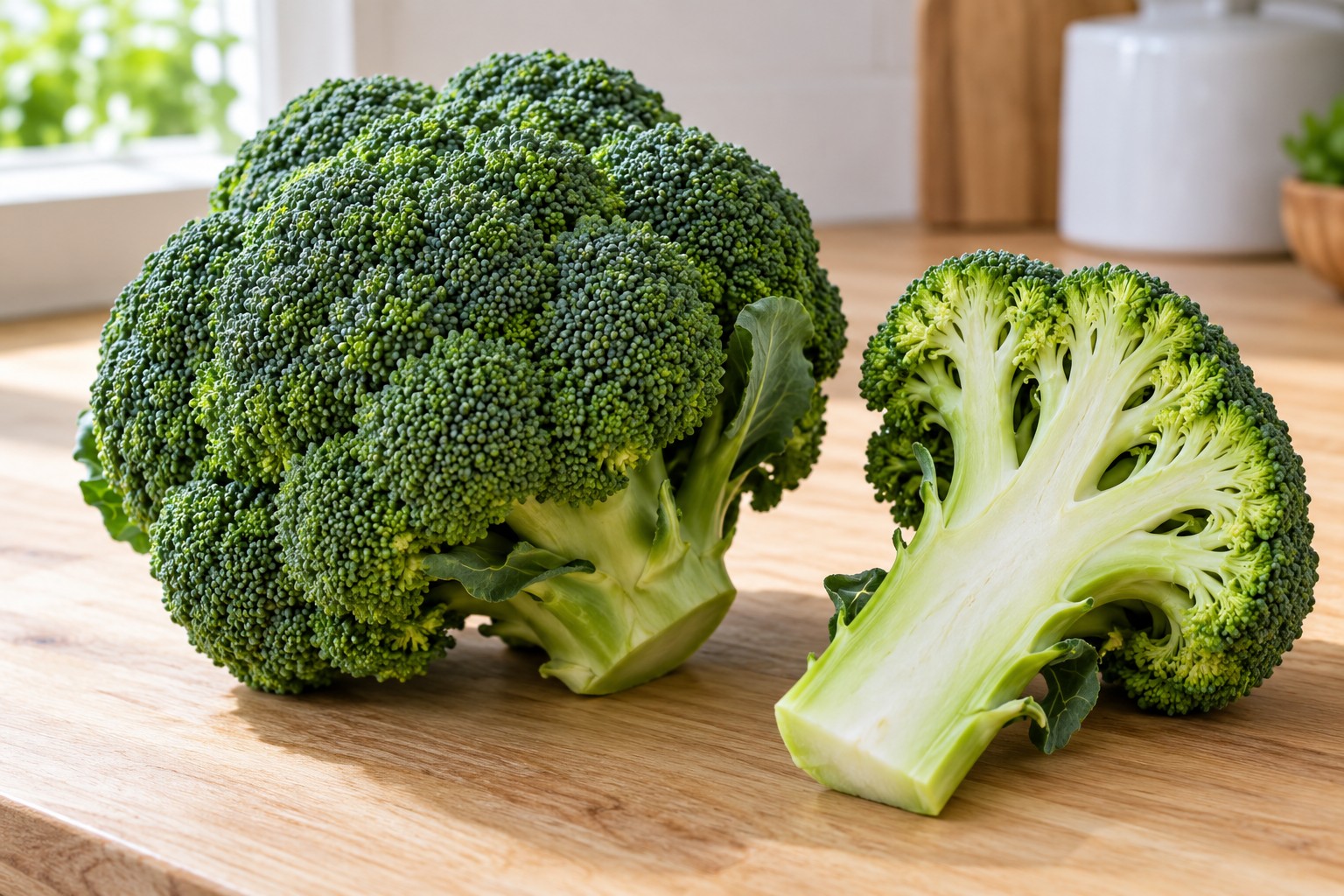
Broccoli — View image & definition
A brassica eaten for its flower buds and stalks. Steam, roast, or stir-fry; peel tough stalk surfaces to reveal the tender interior.
-
Broccoli Rabe (Rapini) — View image & definition
A leafy brassica with small buds and a pleasantly bitter flavor. Blanch if desired, then sauté with garlic and olive oil.
-
Broccolini — View image & definition
A slender-stemmed cross between broccoli and Chinese broccoli. Its tender stems and small florets suit quick sautéing, roasting, and grilling.
-
Brussels Sprouts — View image & definition
Small cabbage-like buds that grow along a stalk. Halve for roasting, shred for sautéing, or steam until just tender.
-
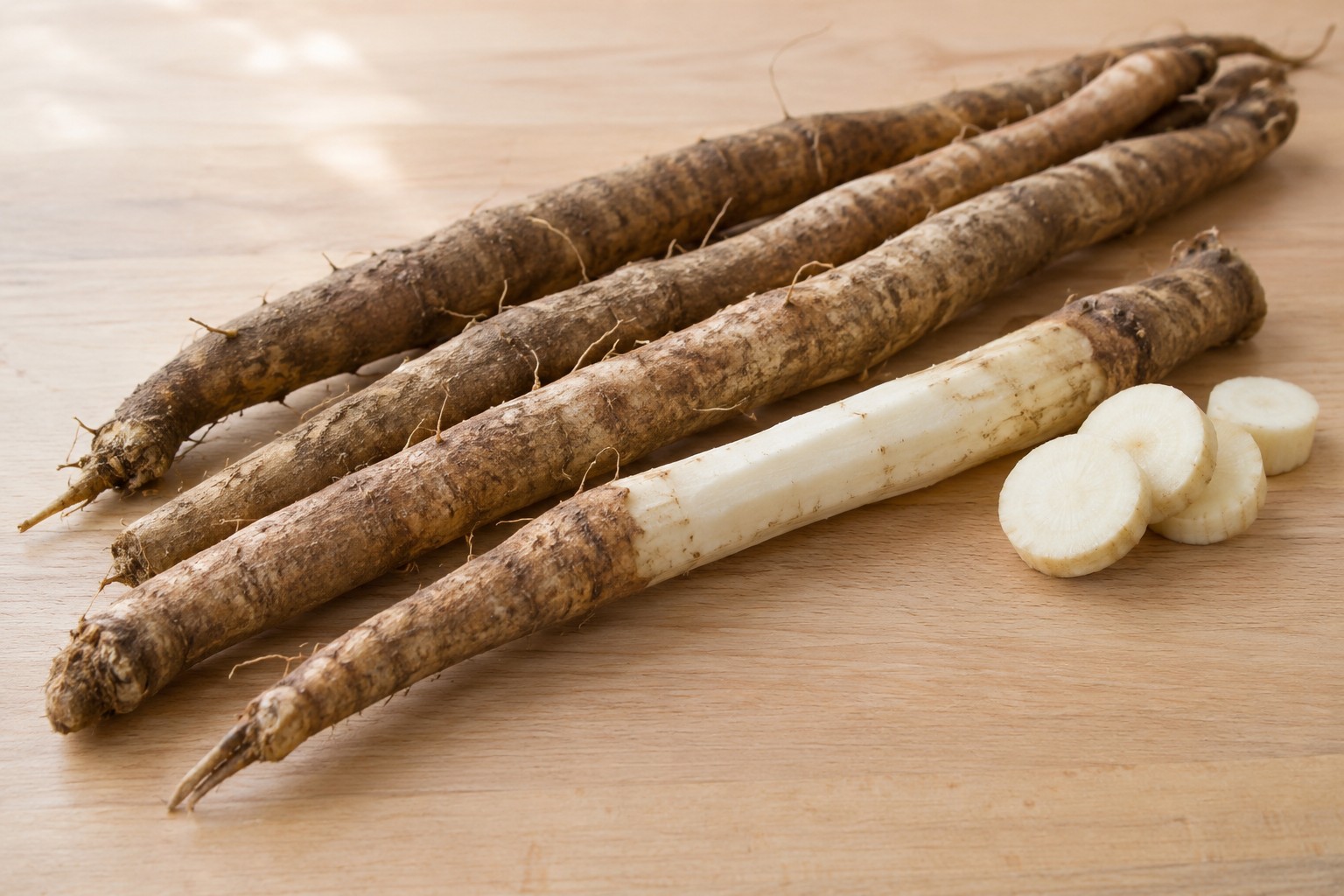
Burdock Root (Gobo) — View image & definition
A long root with an earthy flavor and firm texture, used in Japanese cooking. Scrub or peel, slice thinly, and braise or stir-fry.
-
Butternut Squash — View image & definition
A tan winter squash with orange, sweet flesh and a seed cavity at the bulb end. Roast, purée, or add to soups and risotto.
Read the full butternut squash guide: preparation, cooking and storage






C
-
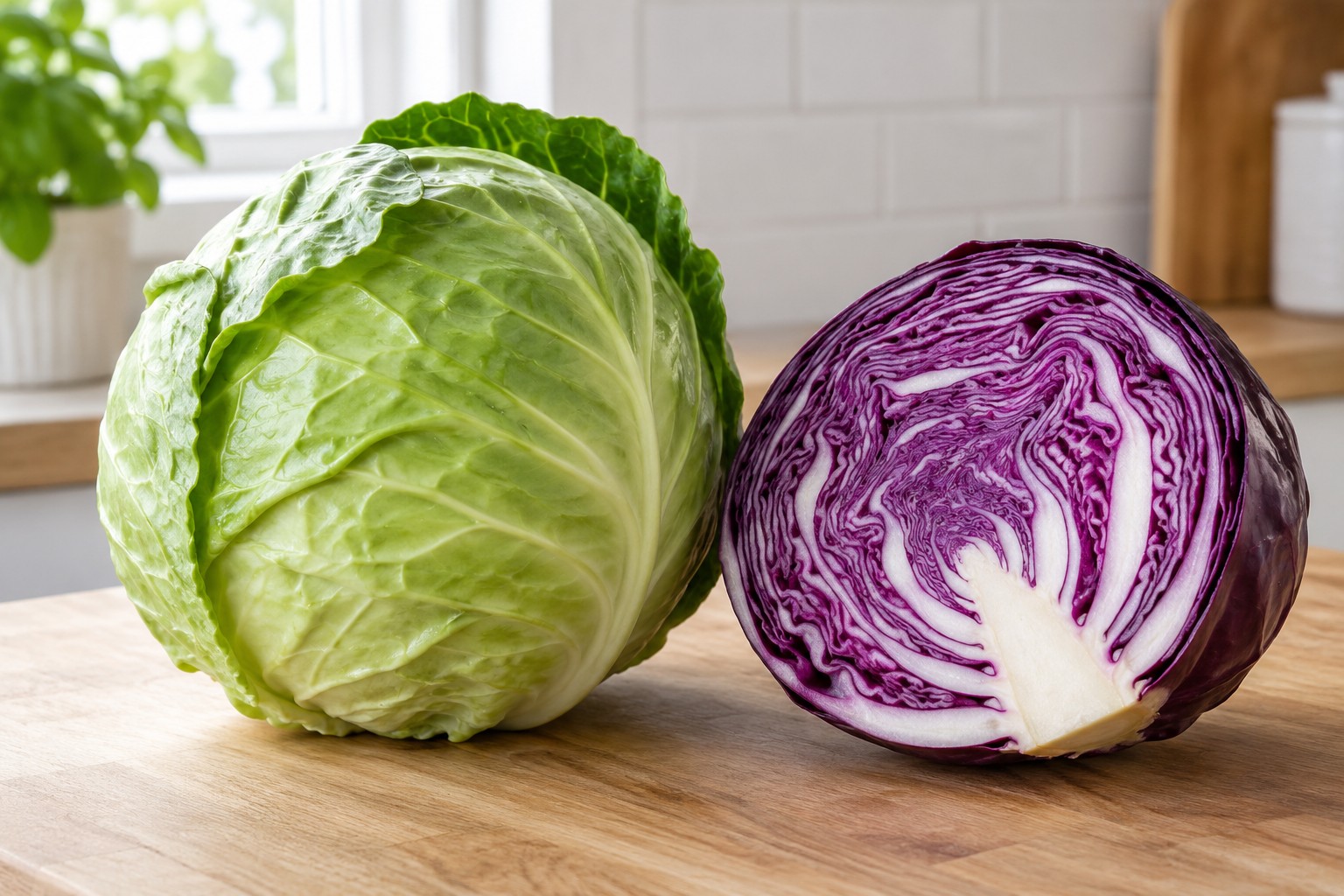
Cabbage — View image & definition
A tightly headed leafy vegetable available in green and red varieties. Shred for slaw, ferment, braise, stir-fry, or use the leaves for rolls.
-
Calabaza — View image & definition
A name used for several pumpkin-like squashes in Latin American and Caribbean cooking. The firm flesh works well in soups, stews, and roasting.
- Capers — Pickled flower buds used to add a pungent, briny flavor.
-
Cardoon — View image & definition
An artichoke relative grown for its thick stalks. Remove tough fibers and cook until tender; use in braises, gratins, or vegetable dishes.
-
Carrot — View image & definition
A sweet, crisp root found in orange, purple, yellow, red, and white varieties. Use raw, roasted, glazed, or as part of a flavor base.
-
Cauliflower — View image & definition
A brassica with a compact head of flower buds. Roast, steam, purée, or finely chop; varieties include white, orange, purple, and green.
-
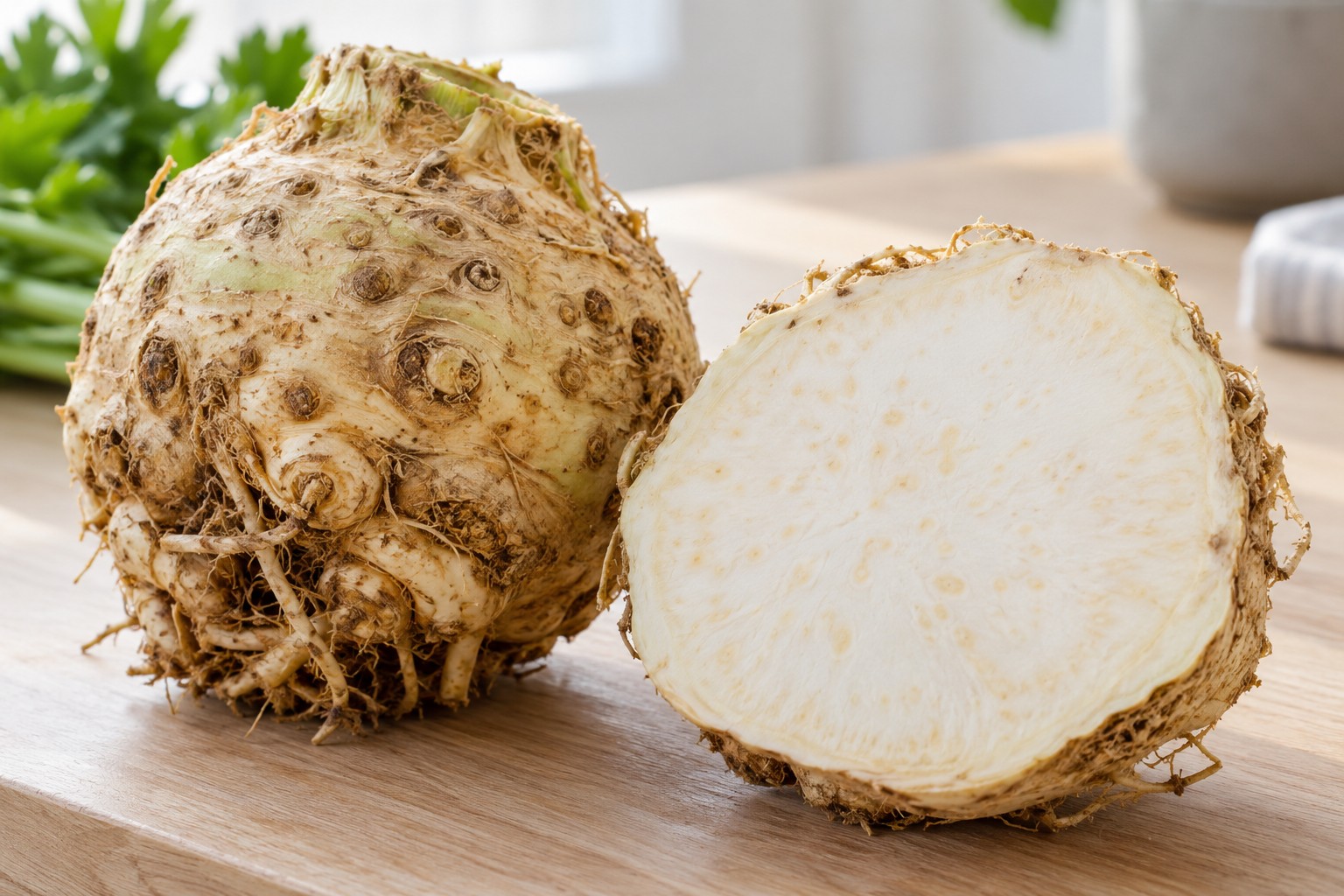
Celeriac (Celery Root) — View image & definition
A knobby vegetable with celery-like flavor and firm, pale flesh. Peel thoroughly, then mash, roast, simmer, or shred for rémoulade.
-
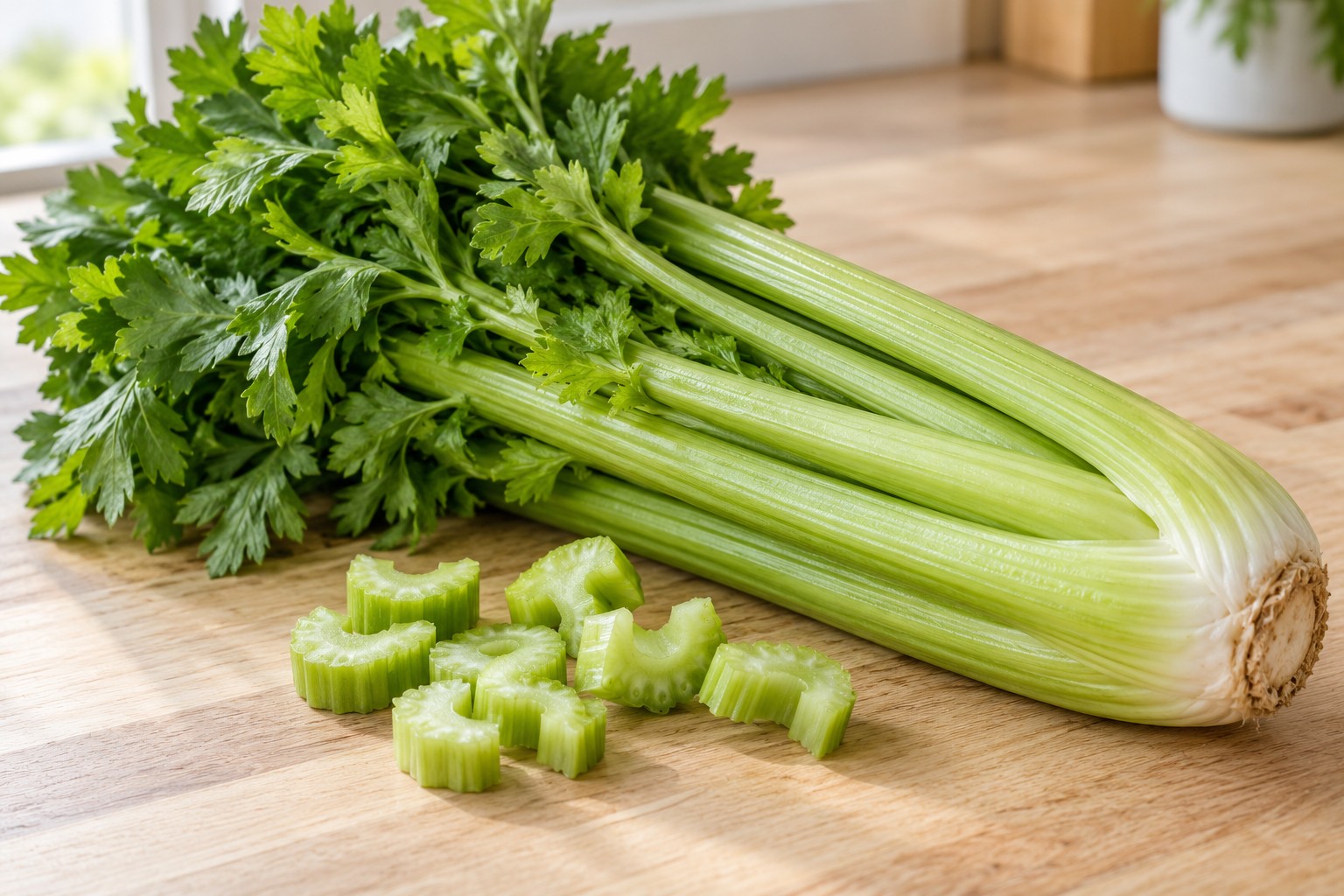
Celery — View image & definition
A crisp stalk vegetable with a clean, savory flavor. Use in stocks, mirepoix, salads, and braises; the leaves also add flavor.
-
Celtuce (Stem Lettuce) — View image & definition
Lettuce grown for its thick, crisp stem. Peel away the fibrous outer layer, then slice for stir-fries, pickles, or salads.
-
Chayote (Mirliton) — View image & definition
A pale-green, pear-shaped squash with mild, firm flesh. Sauté, simmer, stuff, or bake; it readily takes on the flavor of sauces.
- Chervil — A delicate herb in the carrot family used for seasoning.
-
Chicory — View image & definition
A family of leafy vegetables valued for bitterness, including radicchio and Belgian endive. Use in salads or cook to mellow their bite.
-
Chinese Broccoli (Gai Lan) — View image & definition
A leafy brassica with thick stems and small flower buds. Blanch, steam, or stir-fry, often with garlic or a savory sauce.
-
Chinese Cabbage (Napa) — View image & definition
An elongated cabbage with crinkled, tender leaves and crisp white ribs. Use in dumplings, stir-fries, soups, slaws, and kimchi.
-
Choy Sum — View image & definition
A tender flowering Chinese green with slender stems, leaves, and yellow blossoms. Cook briefly by steaming, blanching, or stir-frying.
-
Collard Greens — View image & definition
Broad, sturdy brassica leaves with an earthy flavor. Remove tough stems, then braise slowly or slice thinly for quicker cooking.
-
Corn, Sweet — View image & definition
Tender corn harvested for its sweet kernels. Boil, steam, grill, or cut from the cob for chowders, salads, and succotash.
-
Crosnes (Chinese Artichokes) — View image & definition
Small, knobbly tubers with a crisp texture and mild, nutty flavor. Scrub carefully, then sauté, steam, or pickle.
-
Cucumber — View image & definition
A crisp, watery vegetable used in salads, pickles, and chilled soups. Large mature cucumbers may benefit from peeling and removing the seeds.




D
-
Daikon — View image & definition
A large, usually white radish with a milder flavor than many small radishes. Grate raw, pickle, braise, or simmer in soups.
-
Dandelion Greens — View image & definition
Toothed leaves with a pronounced bitter flavor. Use young cultivated leaves in salads or sauté and braise larger leaves.
-
Delicata Squash — View image & definition
A small winter squash with striped skin and sweet flesh. Its relatively tender skin usually needs no peeling before roasting.


E
-
Edamame — View image & definition
Immature green soybeans served cooked. Steam or boil the pods, then eat the beans inside; discard the fibrous pods.
-
Eggplant (Aubergine) — View image & definition
A vegetable with spongy flesh that becomes creamy when cooked. Roast, grill, fry, or braise; varieties differ in shape, size, and bitterness.
-
Endive, Curly (Frisée) — View image & definition
A frilly salad green with a crisp texture and bitter edge. Pair with rich dressings, eggs, or bacon, or wilt briefly.
-
Escarole — View image & definition
A broad-leaved endive with a milder bite than curly endive. Use tender leaves in salads and larger leaves in soups or braises.


F
-
Fava Beans (Broad Beans) — View image & definition
Large beans with a buttery texture. Remove from the pod and cook; larger beans are often peeled again after blanching.
- Fennel, Bulb — A crisp vegetable with an anise-like flavor. Shave for salads or roast and braise; the fronds make a delicate garnish.

G
-
Garlic — View image & definition
A pungent bulb divided into cloves. Raw garlic is sharp; gentle cooking softens its bite, while roasting makes it sweet and mellow.
-
Garlic Scapes — View image & definition
The curling flower stalks of hardneck garlic. Their mild garlic flavor suits pesto, stir-fries, grilling, and pickling.
- Glazing Vegetables — Cooking vegetables in liquid and reducing it to a flavorful glaze.
-
Green Beans — View image & definition
Tender bean pods eaten before the seeds mature. Trim the ends and steam, sauté, roast, or braise.
-
Green Garlic — View image & definition
Immature garlic harvested before the bulb fully divides into cloves. Use its tender white and green parts like a mild garlic-flavored scallion.


H
- Hearts of Palm — Tender inner portions of certain palm stems, commonly sold canned or jarred. Their mild flavor and firm texture suit salads and vegetable dishes.
-
Horseradish — View image & definition
A root that develops a sharp, pungent flavor when grated. Use sparingly in sauces, dressings, and condiments; heat reduces its bite.

Vegetables & Herbs: J–Z
J
-
Jicama — View image & definition

A crisp, juicy root with mild sweetness. Peel the brown skin and serve the flesh in slaws or salads; only the root is used as food.

K
-
Kabocha Squash — View image & definition

A winter squash with dense, sweet flesh and a nutty flavor. Roast, steam, or simmer in curries and soups.
-
Kale — View image & definition
A sturdy leafy brassica sold in curly, flat-leaf, and lacinato varieties. Remove tough stems, then sauté, braise, or finely slice for salads.
-
Kohlrabi — View image & definition
A brassica grown for its swollen stem, with a crisp texture and mild cabbage flavor. Peel the tough skin; eat raw or cook.
-
Komatsuna — View image & definition
A Japanese leafy green sometimes called Japanese mustard spinach. Use its tender leaves and stems in soups, stir-fries, and quick braises.


L
-
Leek — View image & definition
A mild allium with layered white and green stalks. Split and rinse between the layers to remove grit; sauté, braise, or add to soups.
-
Lettuce, Leaf — View image & definition
Loose-leaf varieties range from tender and sweet to lightly bitter. Use fresh in salads, wraps, and sandwiches.
-
Lotus Root — View image & definition
The crisp, hole-patterned rhizome of the lotus plant. Peel and cook in stir-fries, braises, or soups, or use in pickles.


M
-
Malabar Spinach — View image & definition
A climbing leafy vegetable unrelated to true spinach. Its succulent leaves become slightly thickening when cooked and work well in soups and curries.
- Mirepoix — A flavor base of chopped onion, carrot, and celery.
-
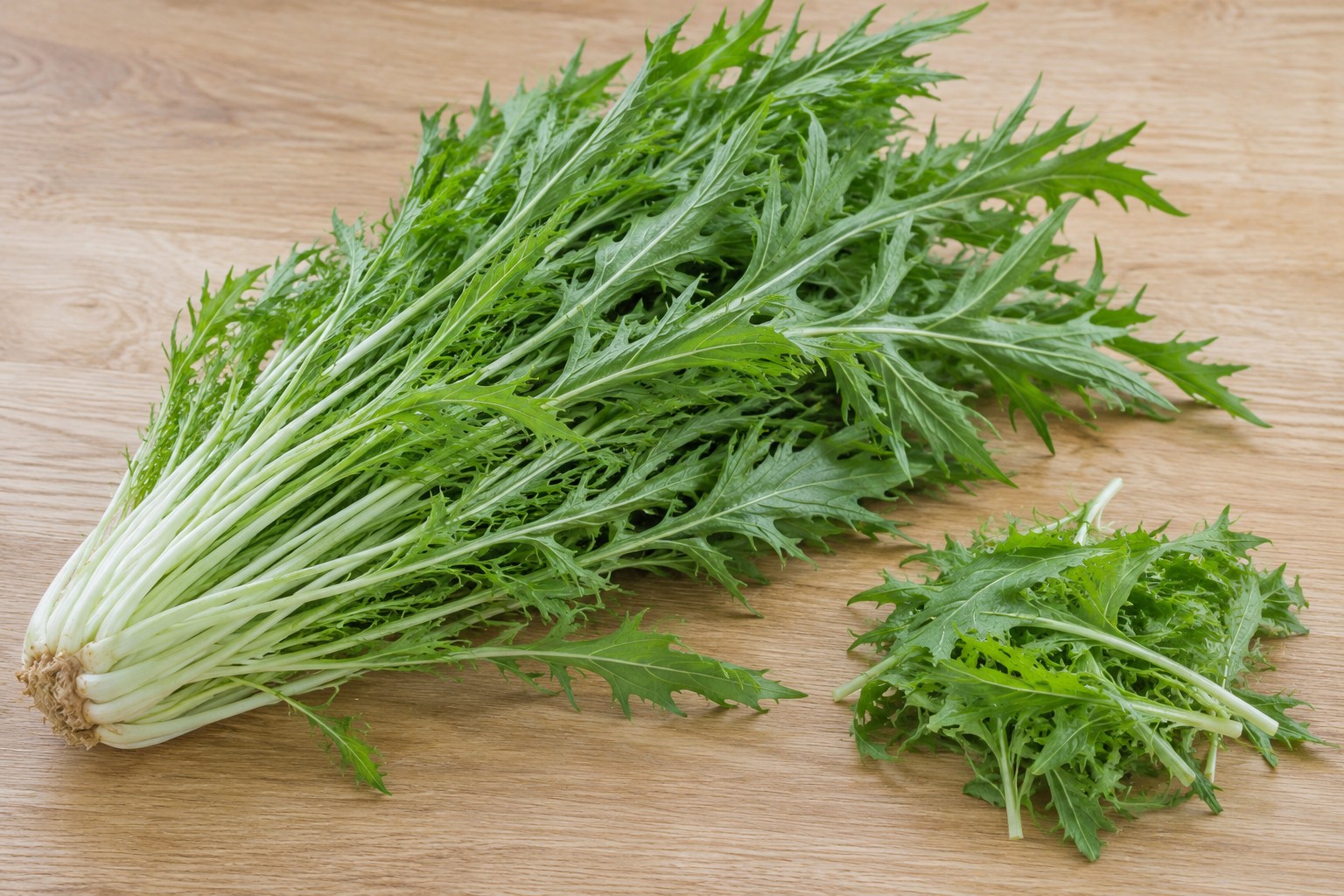
Mizuna — View image & definition
A Japanese mustard green with feathery leaves and a mild peppery bite. Add to salads or briefly cook in soups and stir-fries.
-
Mustard Greens — View image & definition
Leafy greens with a peppery, sometimes pungent flavor. Braise, sauté, or pickle; cooking softens their sharpness.


N
-
Nopales — View image & definition
Edible prickly pear cactus pads with a tart, green-bean-like flavor. Buy cleaned pads, remove any remaining spines, and grill, sauté, or simmer.

O
-
Okra — View image & definition
Tender seed pods with a grassy flavor and a natural thickening quality. Use in gumbo and stews, or roast, grill, fry, and pickle.
-
Onion — View image & definition
An allium used as a flavor base or vegetable in its own right. Raw onions are sharp; slow cooking develops sweetness.


P
-
Parsnip — View image & definition
A pale root with a sweet, earthy flavor. Roast, mash, or add to soups; remove a woody core from particularly large roots.
-
Pattypan Squash — View image & definition
A small summer squash with scalloped edges. Cook whole when small, or slice, sauté, roast, and stuff larger specimens.
-
Pea Shoots — View image & definition
Tender pea stems, leaves, and tendrils with a fresh pea flavor. Serve in salads or quickly wilt in a hot pan.
-
Peas, Garden — View image & definition
Sweet green seeds removed from their pods. Steam or simmer briefly, then use in soups, purées, pasta, and vegetable dishes.
-
Poblano Pepper — View image & definition
A broad, dark-green chile with generally mild to moderate heat. Roast and peel for sauces, strips called rajas, or stuffed peppers.
- Porcini Mushrooms — Meaty wild mushrooms valued in Italian cooking.
-
Potato — View image & definition
A starchy tuber used for roasting, boiling, frying, and mashing. Waxy types hold their shape; floury types make fluffy mash and baked potatoes.
-
Pumpkin — View image & definition
A winter squash with firm flesh. Choose culinary varieties for soups, purées, roasting, and pies rather than relying on carving pumpkins.
-
Purslane — View image & definition
A succulent leafy vegetable with a slightly tart flavor and crisp stems. Use cultivated culinary purslane in salads, soups, or quick sautés.


R
-
Radicchio — View image & definition
A red or speckled chicory with a crisp texture and bitter flavor. Shred into salads or grill and roast to mellow it.
-
Radish — View image & definition
A crisp root with a peppery bite. Use raw, pickled, roasted, or sautéed; clean, tender greens can also be cooked.
-
Romaine (Cos Lettuce) — View image & definition
An upright lettuce with sturdy leaves and crunchy ribs. Use in Caesar salads, lettuce cups, or briefly grill halved heads.
-
Romanesco — View image & definition
A brassica with pale-green, pointed florets arranged in spirals. Its mild, nutty flavor suits steaming, roasting, and pasta dishes.
-
Rutabaga (Swede) — View image & definition
A large root with yellowish flesh and a sweet, earthy flavor. Peel its thick skin, then mash, roast, or simmer in stews.


S
-
Salsify — View image & definition
A slender, pale root with a delicate flavor sometimes compared with oysters. Cook and peel, then serve with butter or add to soups.
-
Savoy Cabbage — View image & definition
A cabbage with crinkled leaves and a relatively tender texture. Use in stuffed cabbage, soups, sautés, and braised dishes.
-
Scallion (Green Onion) — View image & definition
A young allium with a mild white base and tender green tops. Use raw as garnish or cook in stir-fries, soups, and pancakes.
-
Scorzonera (Black Salsify) — View image & definition
A dark-skinned root related to salsify, with pale flesh. Cook and peel for buttery side dishes, soups, or purées.
-
Shallot — View image & definition
A small allium with a delicate onion flavor. Mince into vinaigrettes and pan sauces, or roast whole until sweet and tender.
Read the full shallot guide: preparation, cooking and storage
-
Shishito Pepper — View image & definition
A slender, thin-skinned pepper usually mild, though an occasional one is hot. Blister quickly in a skillet and finish with salt.
-
Snow Peas — View image & definition
Flat pea pods eaten whole while the seeds are small. Trim strings if present and cook briefly to retain their crunch.
-
Sorrel — View image & definition
A leafy herb and vegetable with a distinctly sour, lemony taste. Use in sauces, soups, or mixed salads; cooking turns its bright leaves olive-green.
-
Spaghetti Squash — View image & definition
A winter squash whose cooked flesh separates into strands. Roast or steam, then loosen the strands with a fork and dress lightly.
-
Spinach — View image & definition
A tender leafy green with a mild, earthy flavor. Use raw in salads or cook briefly; it shrinks considerably as it wilts.
-
Sugar Snap Peas — View image & definition
Plump edible pea pods containing sweet peas. Remove strings if needed; serve raw, steamed, or quickly stir-fried.
-
Sunchoke (Jerusalem Artichoke) — View image & definition
A sunflower tuber with a crisp texture and nutty flavor. Scrub well, then roast, sauté, or purée; it is unrelated to globe artichokes.
-
Sweet Potato — View image & definition
A sweet root with orange, white, or purple flesh, depending on variety. Roast, steam, mash, or bake; it is botanically distinct from a yam.
- Swiss Chard — A leafy vegetable also known as leaf beet or spinach beet.


T
- Taro — A starchy corm used in many tropical cuisines. Peel and cook thoroughly before eating; raw taro can irritate the mouth and throat.
-
Tatsoi — View image & definition
A leafy Asian green with dark, spoon-shaped leaves and a mild mustard flavor. Use in salads or briefly cook in stir-fries and soups.
-
Tomatillo — View image & definition
A firm, tart fruit enclosed in a papery husk and used as a vegetable. Remove the husk, rinse, then roast or simmer for salsa.
Read the full tomatillo guide: preparation, cooking and storage
-
Tomato — View image & definition
A juicy fruit used as a vegetable in savory cooking. Serve raw, roast, or simmer into sauces; plum types generally have less watery flesh.
-
Turnip — View image & definition
A crisp root with a mildly peppery flavor. Small turnips can be delicate; roast, braise, mash, or slice thinly. The greens are also cooked.
-
Turnip Greens — View image & definition
The leafy tops of turnips, with a peppery, earthy flavor. Wash thoroughly, remove tough stems, and sauté or braise.


W
-
Water Chestnut — View image & definition
An aquatic corm with crisp white flesh that remains crunchy after cooking. Peel fresh ones, or use canned slices in stir-fries.
- Watercress — A peppery green leafy vegetable with a long culinary history.
-
Wax Beans — View image & definition
Yellow-podded snap beans with a flavor similar to green beans. Steam, sauté, or add to bean salads after cooking.
-
Winter Melon (Wax Gourd) — View image & definition
A large, mild gourd with pale flesh that absorbs broth flavors. Peel, remove the seeds, and simmer in soups or braises.


Y
-
Yam — View image & definition
A starchy tuber from the Dioscorea group, distinct from sweet potatoes. Varieties differ; peel and cook edible market yams before serving.
-
Yardlong Beans — View image & definition
Long, slender pods also called asparagus beans. Cut into lengths and stir-fry or braise; they have a firmer texture than many green beans.
- Yuca (Cassava) — A starchy tropical root used boiled, fried, or mashed after proper preparation. Never eat raw; buy food-grade yuca and follow reliable processing instructions.


Z
-
Zucchini (Courgette) — View image & definition
A tender summer squash with a mild flavor. Sauté, grill, roast, or bake; small specimens usually have fewer seeds and firmer flesh.
Read the full zucchini (courgette) guide: preparation, cooking and storage

Vegetable Reference Notes
Further reading: salsify and scorzonera; crosnes; celtuce; cardoons; Asian salad greens; preparing cassava and bamboo shoots.
Culinary Terms & Techniques
- Shallow Poaching — Gently cooking food in a small amount of liquid.
- Emulsions — Dispersing one liquid throughout another liquid that normally will not mix with it.
- Sautéing — Cooking small pieces of food quickly with high heat and little fat.
- Steaming — Cooking food gently with steam while preserving texture and color.
- Roasting — Cooking food with surrounding dry heat.
- Stewing — A combination cooking method using browning followed by gentle moist heat.
- Coulis — A smooth sauce made from puréed fruit or vegetables.
- Sucs or Fond — Caramelized bits left in a pan that form the base of a sauce.
- Maillard Reaction — Browning and flavor development caused when proteins and sugars are heated.
- Pinçage — Mirepoix and tomato paste roasted or sautéed to deepen flavor.
- Culinary Measurements — Kitchen weights, volumes, counts, tools, and common conversions.
- Baghar — An Indian technique for frying spices in oil to release their flavor.
- Clear Soup — Broths, bouillons, consommés, and other clear soups.
Ingredient Guides
- Beans & Grains — Beans, lentils, grains, and related ingredients.
- Butter & Dairy — Butter, cream, dairy, and cooking-fat terms.
- Pasta — Pasta shapes, sauces, ingredients, and Italian culinary terms.
- Potatoes — Potato varieties, dishes, and preparation terms.
- Rice — Rice varieties and cooking terms.
World Cuisine
Ingredients, techniques and kitchen notes organized by region.
Mexico, South America & the Caribbean
Japan & China
Korea & Southeast Asia
- Korean Fermented Chili Paste
- MSG
- Curry Pastes: Panang, Massaman, Green, and Red
- Fish Sauce
- Galangal
- Lemongrass
- Tempeh
- Sago
- Jackfruit
- Durian
Spain
The Middle East, Turkey, Greece & Crete
Africa
India & the British Isles
France & Italy
Notes & Guides
Articles & Ingredient Notes
- Greek Cuisine
- Spices
- Types of Knives
- Pepper
- Knife Skills
- The Perfect Cup of Coffee
- French Toast Perfected
- Soy Sauce
- Spring Rolls, Simple, Cheap & Make-Ahead
- French Toast to Follow!
- What’s the First “Recipe” You Learned as a Kid?
- Chinese BBQ Pork
- The “Best” Mac & Cheese, You Choose
- Terrine de Viande (Meatloaf)
- The Perfect Bran Muffin
Recipe Library
Choose your next cooking path
Start with the situation that best matches what you want to cook today.